Click to Call 630-339-3727


- Home
- Craig Boston
- Traffic Defense
- Aggravated Speeding
- Driving While License Suspended
- Driving While License Revoked
- Reckless Driving
- CDL Traffic Tickets
- Traffic Accidents
- DUI Violations
- Marijuana DUI Violations
- Fleeing and Eluding
- School Zone Violations
- School Bus Violations
- Construction Zone Violations
- Driving Without Insurance
- Out-of-State Drivers
- Illinois Traffic Violation Points
- FAQs
- Testimonials
- Blog
- Contact

Failure to Reduce Speed to Avoid an Accident in Illinois: What It Means
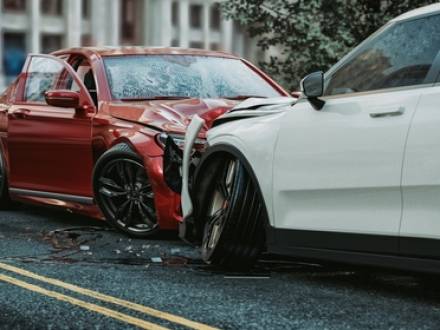 If you’ve been cited for failure to reduce speed to avoid an accident in Illinois, you’re likely wondering what the charge means — and how serious it is.
This type of ticket often comes after a crash or near-collision, and many drivers are surprised to learn that it can carry consequences beyond a simple fine.
Understanding how this charge is handled — and what your options are — can make a meaningful difference in protecting your driving record.
What "Failure to Reduce Speed" Actually Means
Under Illinois law, drivers are required to operate their vehicle at a speed that is reasonable and proper for conditions.
This means adjusting your speed based on:
- Traffic flow
- Weather conditions
- Road hazards
- Visibility
A citation for failure to reduce speed generally means the officer believes:
You were traveling too fast for the conditions, even if you were not exceeding the posted speed limit.
When This Ticket Is Typically Issued
This charge commonly arises in situations involving:
- Rear-end collisions
- Sudden traffic slowdowns
- Poor weather conditions
- Multi-vehicle accidents
In many cases, the ticket is issued after an accident has already occurred, which can make the situation feel more serious.
Potential Consequences
A failure to reduce speed ticket can result in:
- A conviction on your driving record
- Fines and court costs
- Increased insurance premiums
- Potential impact if combined with other violations
Because this type of ticket is often tied to an accident, insurance consequences can be particularly significant.
How These Cases Are Often Handled
Many drivers assume that an accident automatically means they are at fault.
That is not always the case.
Key factors include:
- Road conditions at the time
- Actions of other drivers
- Whether traffic conditions changed suddenly
- The specific details documented in the police report
In many situations, there may be opportunities to resolve the case in a way that minimizes long-term impact.
Local Court Considerations
In Naperville, Wheaton, and Joliet, courts often take accident-related tickets seriously, particularly when there is property damage or injuries involved.
However, each courthouse may approach these cases slightly differently, and understanding those differences can be important when evaluating your options.
Common Mistakes to Avoid
Drivers often make the mistake of:
- Assuming the ticket cannot be challenged
- Accepting fault without reviewing the details
- Treating the situation like a minor violation
- Making quick decisions without understanding long-term consequences
How This Relates to Other Traffic Charges
If you’ve already read:
- Why Paying the Ticket May Be the Worst Option
- What Happens at Your First Traffic Court Date in Illinois
You know that early decisions matter.
A failure to reduce speed ticket is no different.
FAQ
Is failure to reduce speed the same as speeding?
No. This charge focuses on driving too fast for conditions, even if you were within the speed limit.
Will this affect my insurance?
Yes, especially if the ticket is associated with an accident.
Do I need to go to court?
In many cases, yes — especially when the ticket involves an accident.
Contact our Naperville, IL Traffic Defense Lawyer Today
A failure to reduce a speed ticket is often more complex than it appears. Because it is usually tied to an accident, the consequences can extend beyond the courtroom and affect your insurance and driving record.
Understanding your options and approaching the situation strategically can make a meaningful difference.
If you’ve been cited for failure to reduce speed in Naperville, Wheaton, Joliet, or surrounding areas, I offer free consultations to help you understand your options before making a decision.
To contact my office today, call 630-339-3727 or visit https://www.illinoistrafficattorney.com/.
15+ Years of Experience
Craig L. Boston has litigated thousands of cases in traffic law, from simple tickets to felony offenses.
Personalized Attention
Craig is a solo practitioner, and he will give your case the attention and respect you deserve.
Free Consultations
If you have any questions, the Law Office of Craig L. Boston is happy to address them over the phone or in person.
Need Help? Our Team is Dedicated to Getting You Back on the Road


The Law Office of Craig L. Boston is located in Naperville, Illinois, providing representation and counsel for clients accused of traffic crimes across DuPage County and surrounding cities, including Joliet, Aurora, Plainfield, Glendale Heights, Wheaton, Warrenville, Carol Stream, Downers Grove, Romeoville, Lockport, Lemont, Crest Hill, Westmont, Woodridge, and Glen Ellyn.
Results listed are not a guarantee or indication of future case results.
2020 Calamos Ct Suite 200, Naperville, IL 60563
630-339-3727